
Installing a Home Generator: What You Need to Know
Home generators have become essential for many households, offering a reliable backup power source during outages. This article will guide you through the process of installing and maintaining a home generator, covering key considerations, types of generators, installation steps, safety guidelines, and maintenance tips. Understanding how a generator supports household continuity helps homeowners make informed decisions about long-term power reliability. Proper planning and generator outlet installation play a critical role in ensuring safe and efficient power distribution during emergencies.
Understanding the Importance of a Home Generator
Power outages can strike any time, often with little warning and varying in duration. Having a home generator ensures that you can maintain power to your essential appliances and systems during such times. This is particularly important in regions where severe weather events lead to frequent outages. For households with individuals relying on electric medical equipment, continuous power supply is crucial. According to Verified Market Reports, roughly 20% of U.S. households face power outages annually, driving increased demand for dependable backup power solutions. Reliable generator outlet installation ensures that backup power can be delivered safely and efficiently to critical home systems.
Common Causes of Power Outages and Preparedness
Power outages can result from multiple factors, including severe weather conditions, equipment failure, or infrastructure issues. Hurricanes and storms are common culprits, bringing down power lines and causing widespread blackouts. Technical malfunctions in power stations or transmission lines can also lead to unexpected outages. Additionally, demand surges during peak times can result in grid overloads and subsequent power loss. Awareness of these causes underscores the value of a backup generator for efficient outage management and highlights the importance of proper generator outlet installation to prevent electrical hazards.
Assessing Your Home Power Needs
Determining your home’s power needs is a critical first step before investing in a generator. Start by listing essential appliances and devices that must remain operational during an outage. Consider heating, refrigeration, lighting, and communication needs in your assessment. Specific calculation of your power requirements can be achieved by adding the wattage of these critical systems. Consulting with an electrical professional can provide more accurate guidance tailored to your home’s specifications. This evaluation also helps determine the capacity requirements for generator outlet installation and overall system performance.
Generator Costs and Budget Planning
Investing in a home generator entails understanding both up-front and recurring expenses. The initial cost includes purchasing the unit and can vary significantly depending on size and type. Installation costs may include labor, permits, and additional equipment like transfer switches or generator outlet installation services. Additionally, ongoing expenses such as fuel, maintenance, and potential repairs should be considered. Creating a comprehensive budget plan helps in managing these financial commitments effectively while supporting long-term system reliability.
Environmental Impact and Sustainability
While generators provide essential backup during an outage, their environmental impact should be considered. Fuel-powered generators emit greenhouse gases and other pollutants, contributing to air pollution and climate change. Choosing a generator with a lower emission profile or exploring renewable options like solar-powered units can mitigate these effects. Ensuring proper installation and maintenance also minimizes environmental risks from leaks and spills. Sustainable practices extend the benefits of having a generator beyond personal convenience to broader ecological responsibilities.
Different Types of Home Generators
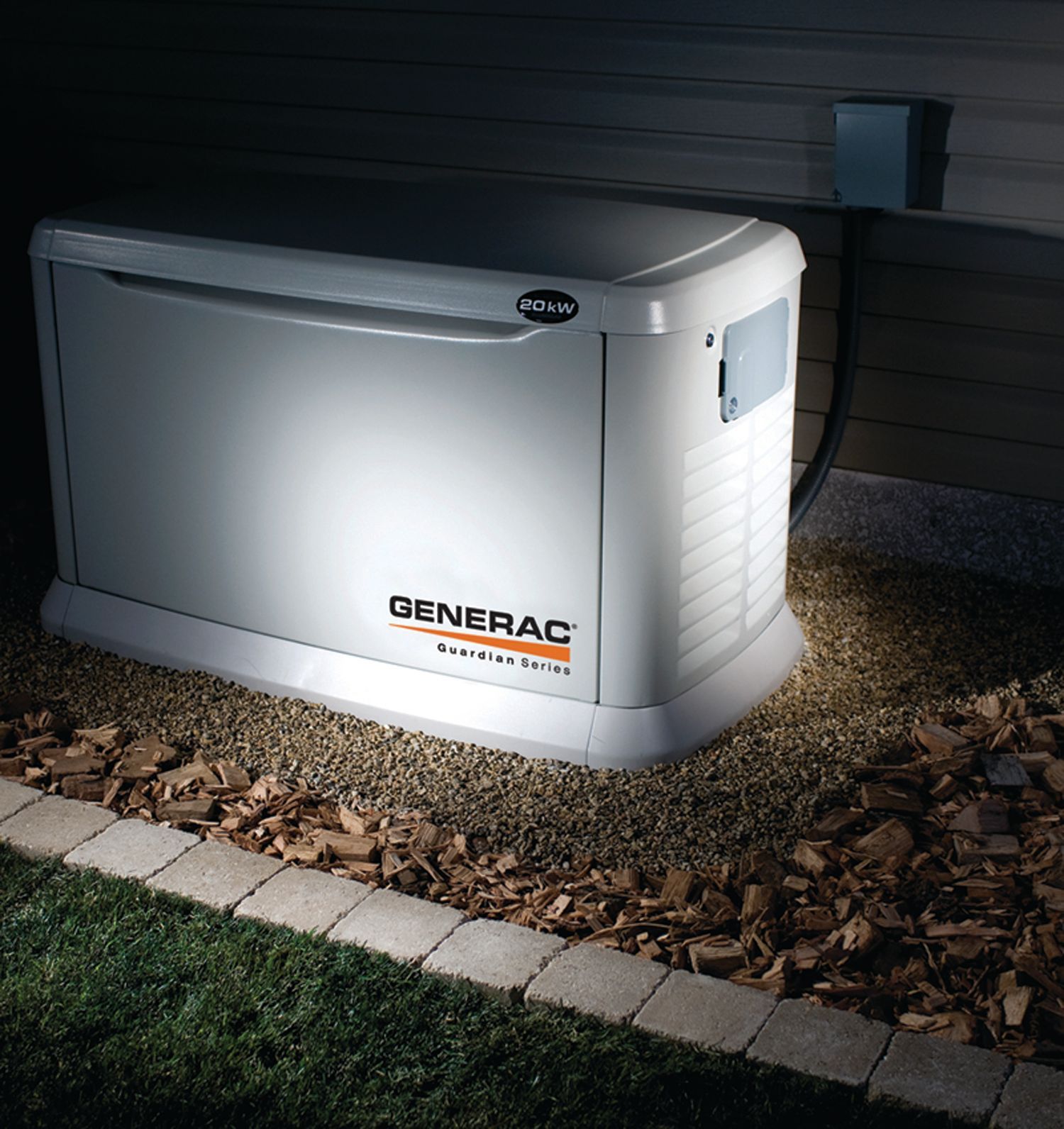
Homeowners typically choose between portable and standby generators based on their power needs and budget. Portable generators are more affordable and versatile, easily moved to different locations and suitable for smaller power requirements. However, they require manual setup and connection, which can be inconvenient in a sudden outage. In contrast, standby generators are permanently installed, providing automatic power supply during outages. While more expensive, they offer greater convenience, especially for larger homes requiring uninterrupted power.
Fuel Options and Generator Performance
The type of fuel influences generator efficiency, cost, and environmental impact. Gasoline-powered generators are common due to widespread fuel availability but may not be the most efficient for long-term use. Diesel generators are more fuel-efficient and durable, suitable for extended outages but typically noisier. Propane and natural gas options offer cleaner energy alternatives, often relying on existing home gas lines, though they may incur higher initial installation costs. Consider fuel availability, storage, and operating costs when choosing the appropriate type for your home.
Electric and Solar Generator Options
Electric generators convert mechanical energy into electricity, commonly using fuel engines. They provide immediate power but depend on continuous fuel supply and can involve higher emissions. On the other hand, solar generators harness renewable energy from the sun, offering a cleaner and quieter alternative. These generators require solar panels and sufficient sunlight, which might limit their effectiveness during overcast weather. Despite higher initial costs, solar generators reduce ongoing fuel expenses and represent a sustainable investment for environmentally conscious homeowners.
Preparing for Generator Installation
Preparing for installation involves careful planning and adherence to safety standards. Choosing an appropriately sized generator ensures efficient and reliable backup power. It’s crucial to select a generator that can handle your home’s electrical load without strain. Obtaining necessary permits and complying with local building codes protects both property and occupants. Professional guidance often simplifies the planning process and ensures that generator outlet installation meets regulatory and safety requirements.
Choosing the Installation Location
Identifying a suitable location for your generator installation is crucial for functionality and safety. Standby generators should be positioned near existing utility connections while maintaining sufficient distance from livable areas to prevent exhaust exposure. The site must also accommodate proper ventilation and access for maintenance or fuel replenishment. Portable units require designated, level outdoor space for occasional operation. Evaluating these factors ensures optimal performance and compliance with safety standards.
Professional Installation Versus DIY Approach
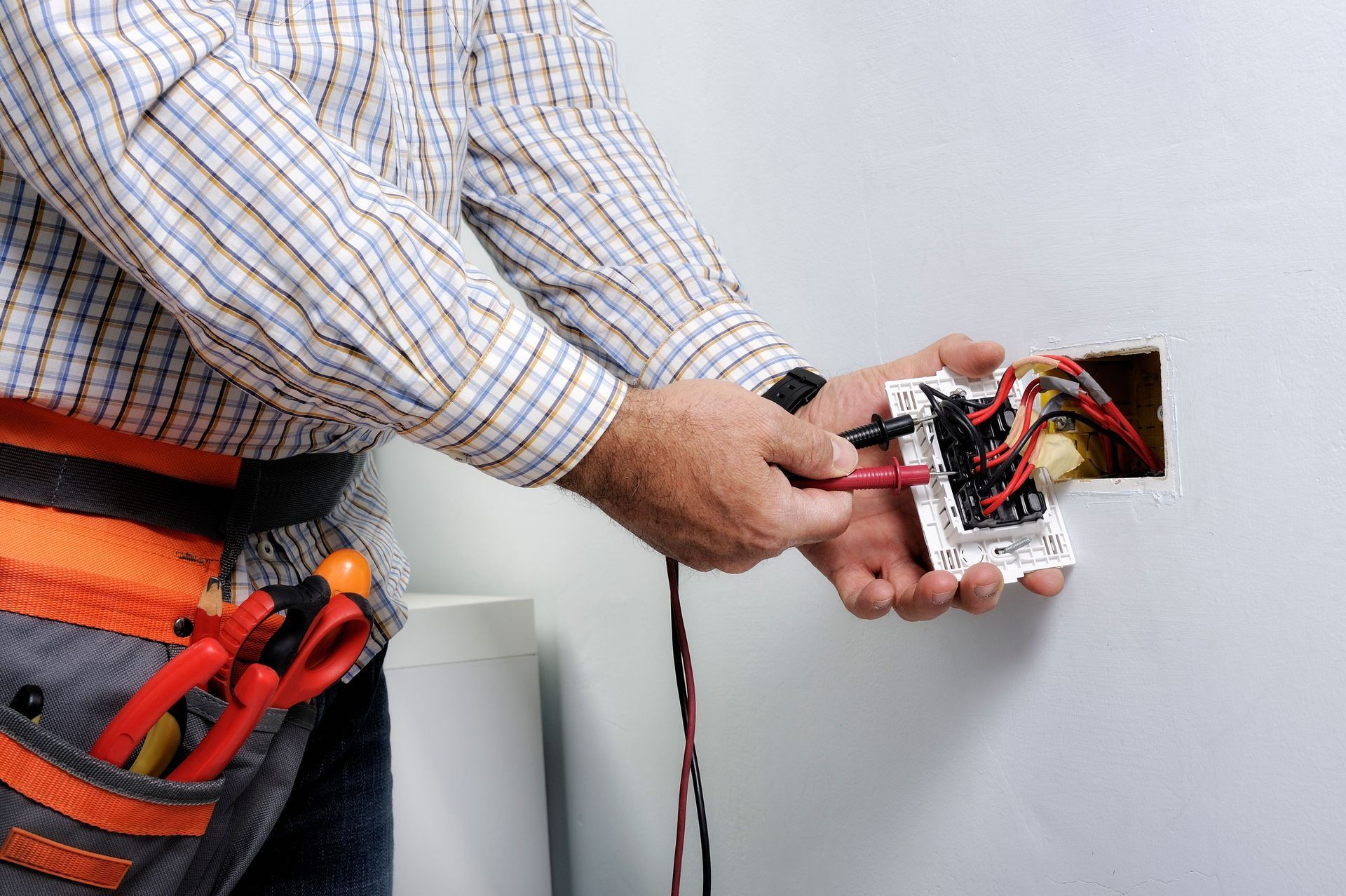
Completing a generator installation can be a major undertaking, necessitating the choice between professional services or DIY efforts. Hiring a professional provides expertise and peace of mind, ensuring adherence to safety standards and legal codes. While DIY enthusiasts may find satisfaction in tackling the project, proper knowledge of electrical systems is vital to avoid potential hazards. Professional generator outlet installation reduces risks and ensures reliable operation during emergencies.
Connecting Generators to Home Circuits
A pivotal aspect of generator installation is ensuring seamless connection to home circuits for reliable power distribution. This step involves safely linking the generator to a transfer switch, empowering powered circuits during an outage. The transfer switch directs current from the generator, preventing back-feed into utility lines and promoting safe operation. Ensuring compatibility between generator output and circuit load helps avoid overloads and equipment damage.
Testing and Verifying System Performance
An essential phase post-installation is conducting thorough testing to verify system functionality. Initial startups should occur under supervision, assessing the response of powered circuits during activation. Monitoring for unusual sounds, vibrations, or fluctuations in power output is critical to troubleshooting potential issues. Completing test cycles by mimicking actual outage conditions provides insights into operational reliability and ensures system readiness.
Generator Safety Guidelines
Generators emit carbon monoxide, an odorless and deadly gas, necessitating strict adherence to safety guidelines. Position your generator outdoors, away from enclosed spaces, to mitigate inhalation risks. Installing carbon monoxide detectors and performing routine inspections enhances safety measures. Proper ventilation and secure electrical connections protect both occupants and equipment while maintaining efficient operation.
Installing and maintaining a home generator is a worthwhile investment for ensuring uninterrupted power during outages. By understanding different generator types, preparing for installation, and following safety and maintenance guidelines, homeowners can protect their property and maintain comfort during emergencies. Contact Coup Electric Co today and learn more about our electrical services.


Share On: